A flawless paint job starts with repairs. Learn about the 5 wall issues your interior painter must fix to deliver smooth, durable, beautiful results.
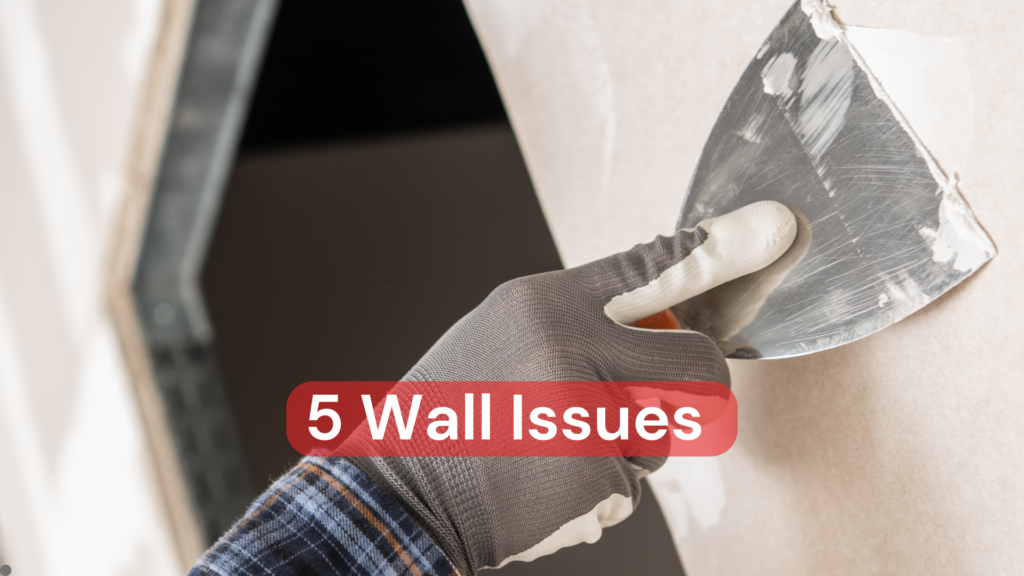
You can’t just slap fresh paint on a wall and call it done. An interior painter knows that what happens before the first brushstroke determines how your walls will look—and how long that finish will last. Skip the prep work and you’ll see cracks, stains, and peeling paint within months.
At Harding’s Painting we’ve painted over 10,000 homes across Calgary, Edmonton, Kelowna, and Hamilton in our 25+ years in business. That experience taught us one thing: proper surface preparation separates a paint job that lasts from one that fails. Here are five wall problems we fix before we even open a paint can.
Problem #1: Cracks and Holes in Drywall
Cracks appear from natural settling of your house and structural movement. Holes come from nails, door handles, furniture bumps, and everyday wear. Both will show through fresh paint if you don’t address them first.
Our process starts with inspection. We look for every crack, hole, and rough spot on your walls. When we find issues, we fill them in along with any cracks, then sand the repairs smooth. This creates a clean, flat surface that won’t telegraph imperfections through your new paint.
For larger damage, our drywall team handles everything from quick hole repairs to full room installations. We leave every repair paint-ready. Most repairs require at least two visits to allow the compound to dry properly. If painting is included, expect a third visit once the surface is ready.
The key is patience. Rushing this step means your walls won’t be smooth, and every bump will catch the light once paint goes on.
Problem #2: Peeling Paint or Wallpaper
Old paint that’s chipping needs to go. We peel away loose sections during prep because painting over them just delays the inevitable—the new paint will fail at the same spots.
Peeling, cracking, and bubbling paint are red flags that point to moisture problems or poor surface prep during the last paint job. Fixing these problems requires more than slapping on a new coat. You need to identify the root cause, repair any damage, and prep the surface correctly.
Wallpaper removal is even more involved. You need to score the paper, apply removal solution, and scrape it off in sections. Then comes the critical part: removing all glue residue. Any adhesive left behind will prevent paint from bonding properly.
After removal, we fill holes, sand for evenness, and clean walls thoroughly. Then we apply a specialty sealer to create a stable base for paint. Skip any of these steps and you risk bubbling or peeling down the road.
Problem #3: Water Stains (What an Interior Painter Does)
Water stains are more than an eyesore. They signal underlying moisture problems that can destroy your property value and threaten your family’s health. At Harding’s, we treat water-damaged ceilings and walls as urgent structural and aesthetic problems.
The biggest mistake homeowners make? Painting over water stains without addressing the source. Water stains will bleed through regular paint if you don’t seal them properly. You’ll see brown or yellow marks reappear within days.
Our process begins with assessment. We use specialized tools to determine the full extent of damage and identify all moisture sources. We remove damaged materials, treat framing, and wait for complete drying before beginning reconstruction. Common DIY mistakes include not letting the area fully dry, not removing all damaged material, and fixing the ceiling before addressing the underlying water source.
Once the substrate is sound, we focus on sealing. Primer blocks stains from bleeding through and creates a consistent base for your topcoat. We use shellac-based or specialist stain-blocking primers for severe stains—they create a waterproof barrier that regular primer can’t match.
An interior painter on our team doesn’t just cover water stains. We resolve the water source, dry everything, repair the damage, then prime and paint so the problem doesn’t return.
Problem #4: Texture Issues and Uneven Surfaces
Small imperfections become obvious once paint is applied, especially in areas with natural light. Poor drywall sanding can ruin even the best paint job.
We follow a specific sandpaper grit progression to create smooth surfaces. Start with 120-grit to remove ridges and high spots. Move to 150-grit to blend edges and transitions. Finish with 220-grit for the smoothest possible surface. This creates an ideal base for primer and paint.
For walls with heavy texture or multiple repairs, skim coating is the answer. We apply thin layers of joint compound across the entire surface, sand between coats, and build up to a Level 5 finish—the smoothest standard in the industry. It’s time-consuming, but uneven surfaces make painting more challenging and require more paint and effort.
On ceilings, our texturing team specializes in popcorn removal and achieving smooth flat finishing standards. If the whole ceiling is wavy, it requires a full skim coat and sanding afterwards.
The goal is simple: create a uniform surface so your paint colour looks consistent from every angle.
Problem #5: Mould and Mildew Concerns
We list mould among the key reasons a home’s interior needs repainting. It appears alongside fading, damage, peeling, and cracking as a sign your walls need professional attention.
Mould presents immediate health threats. Mould and mildew spores can cause respiratory issues, allergic reactions, and neurological problems. For vulnerable family members—children, elderly, or those with compromised immune systems—exposure can trigger severe health complications.
Treatment requires more than wiping down the surface. You need proper ventilation and protective equipment during cleanup. Use a solution of one part liquid bleach to three parts water for most painted walls. Scrub the mould off, then dry the area completely.
But cleaning visible mould isn’t enough. You must address the underlying moisture problem—whether that’s a leak, poor ventilation, or high humidity. Once mould establishes itself in wall cavities, removing it requires specialized equipment and techniques that go beyond surface cleaning.
We don’t paint over mould. We identify the source, treat the affected areas, dry everything thoroughly, and then apply mould-resistant primer before painting. This prevents recurrence and protects your family’s health.
Elevate Your Space with an Interior Painter
These five problems—cracks and holes, peeling paint, water stains, uneven surfaces, and mould—will ruin a paint job if you ignore them. Professional interior painters save you countless hours of prep work, painting, and cleanup. More importantly, we deliver finishes that look better and last longer because we clean, sand, fill holes, and prime surfaces before applying the first coat of paint.
At Harding’s Painting, we’ve built our reputation on this preparation-first approach over 25+ years in the industry. We tie this prep expertise directly to interior painting: quality surface preparation creates the foundation for when it’s ready for paint, and we follow with one coat of primer and two coats of premium paint for optimal adhesion and durability.
With locations serving Calgary, Edmonton, Kelowna, and Hamilton, we’ve seen every wall problem imaginable—and built processes that resolve these issues before we open the paint can. For homeowners who want a flawless finish without weeks of DIY effort, our interior painters can refresh your room in days instead of weeks and deliver swift, lasting results.
Contact Harding’s Painting today to discuss your project. We’ll assess your walls, address any underlying problems, and deliver a finish that lasts.