See how surfaces, weather, prep, and timing shape the cost to paint a house. Get clear numbers for interior vs exterior work and plan your budget easily today.
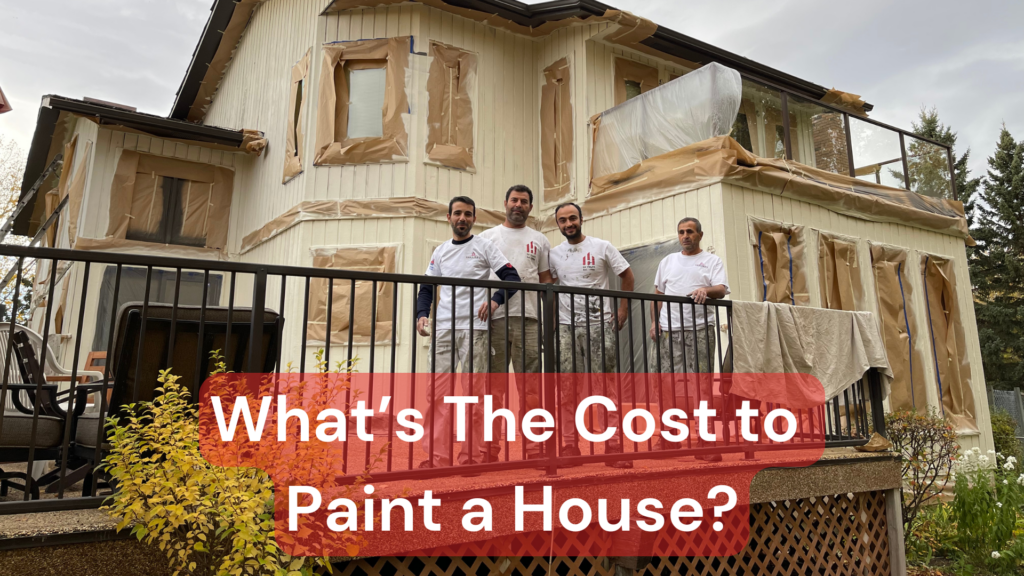
If you’re planning to refresh your home, you’ve probably noticed that the cost to paint a house can swing dramatically depending on whether you’re tackling interiors or exteriors. The two projects sit in completely different cost bands, and for good reason. Interior work demands careful furniture protection and detailed trim work, while exterior painting battles Canadian weather, requires scaffolding, and must protect your home from moisture and UV damage for years to come. Understanding these differences helps you budget properly and avoid surprises when quotes arrive.
Interior painting typically runs $2–$6 per square foot, while exterior projects cost $3–$7 per square foot. That gap reflects the distinct challenges each setting presents. Let’s break down what drives the cost to paint a house for each type of project so you can plan your next painting investment with confidence.
Why the Cost to Paint a House Varies Between Indoor and Outdoor Projects
The setting of your painting project shapes everything from labour time to material selection. Interior painting focuses on precision and protection. Painters spend hours taping trim, covering floors and furniture, patching drywall, and applying multiple coats in tight spaces. The work happens in controlled conditions, but demands meticulous attention to detail.
Exterior painting, by contrast, is a battle against the elements. Your home’s exterior paint acts as a shield against rain, snow, UV rays, and temperature swings that can plunge below -30°C in winter and climb past 30°C in summer. In Calgary, sudden Chinook warming causes expansion and contraction that can crack inferior paint jobs, while high-altitude sun fades and deteriorates paint faster than in other regions.
These environmental demands mean exterior projects require specialized paints, safety equipment for working at height, and strict timing around weather windows. In Edmonton, most exterior paints require temperatures between 10°C and 29°C to cure properly, limiting the painting season to roughly late May through mid-September. That compressed timeline creates intense competition for contractor availability and affects pricing.
Interior Painting Costs in Detail
When determining the cost to paint a house, interior projects vary widely based on your home’s size, the condition of your walls, and the quality of materials you select. For an average-sized room measuring 12×12 feet, expect to pay $300–$800. A 2,000-square-foot home interior might cost $5,500–$8,500, depending on whether you’re painting just walls or including ceilings, trim, and doors.
Square Footage and Room Count
Size is the biggest driver of interior painting timelines, which directly influence the overall cost to paint a house. A two-bedroom, two-bath condo of roughly 1,100 square feet requires about 10 to 16 hours of actual work time, spread across two to three days. A larger three-bedroom, four-bath home spanning 2,000–3,000 square feet takes three to five days with a professional crew.
For truly large homes, the timeline extends considerably. A 4,000-square-foot house can take 10 to 12 days with a crew of four painters when you’re painting ceilings, walls, trim, cabinets, and closets. Because professional painters typically structure quotes based on labour plus materials, these differences in work time directly affect your final invoice.
Paint Quality and Finishes
Paint quality makes a significant difference in the upfront cost to paint a house and its long-term durability. Budget paints run $25–$40 per gallon, mid-range options from brands like Sherwin-Williams or Benjamin Moore cost $50–$80, and premium paints reach $90–$120 per gallon.
But cheaper isn’t always better. Low-quality paint contains considerably less binders and pigments, and more liquids (solvents), which means it dries into a thinner, less durable film. You may need two cans to cover the same surface area you could cover with one can of high-quality paint. In this way, it’s actually cheaper to buy high-quality paint.
Finish selection also affects cost and performance. For bathrooms and kitchens,skip the matte finish. Satin and semi-gloss create a harder barrier that repels water and is easier to wipe down. Professional-grade paints withstand moisture best because they contain more resins, helping them cover better, resist fading, and prevent flaking.
Prep Work for Interiors
Surface preparation dominates both quality and cost in interior painting. Professional painters must move or cover furniture, lay drop cloths, clean walls, patch holes and cracks, sand rough spots, prime where needed, and tape off trim and ceilings.Surface preparation takes time but makes the difference between a mediocre job and a professional finish.
In fact, pros spend up to 80% of their time prepping because that’s what makes the difference between a two-year job and a ten-year job. Skipping this step to lower the cost to paint a house almost always backfires. Even a single 12×12 room requires DIY materials costing $160–$290 for paint, primer, brushes, rollers, trays and tape, before you factor in the value of your time.
Exterior Painting Costs in Detail
When figuring out the cost to paint a house, you’ll find exterior painting typically costs more per square foot than interior work, and for good reason. A 2,000-square-foot home exterior might cost $6,000–$14,000, though a typical Calgary home runs between $3,000 and $6,000, depending on size, condition, and paint quality. That investment typically lasts 7–10 years when done properly.
Surface Material and Condition
Different siding materials require different prep work and repaint schedules. Brick lasts 15–20 years between repaints but needs frequent cleaning, wood needs repainting every 4–7 years (more often if stained), stucco every 5–7 years, and aluminum siding up to every 5 years.
The condition of your siding directly affects cost. Clear damage like cracks or rotting, significant fading, peeling and morphing, chalking residue, and bubbles and cracks—a sure sign of mold and rotting—all signal the need for extra prep work. Where there is clear damage to the surface, larger problems must be fixed before painting, adding to your project timeline and budget.
Environmental Factors
Canadian weather creates unique challenges that drive up exterior painting costs. In Calgary,winter temperatures plunge below -30°C, sudden Chinook warming causes expansion and contraction that can crack inferior paint jobs, and high-altitude sun fades and deteriorates paint faster. These conditions demand high-quality, weather-resistant paints and expert application techniques. Standard paints that work in milder climates often fail prematurely in Calgary.
Safety and access add another layer of cost. Painting exteriors can be tricky and dangerous and best left to the professionals. Professionals bring specialized equipment for safe access to high areas and can identify and address underlying problems before they become major issues. The alternative—renting ladders, scaffolding and sprayers yourself—quickly becomes expensive and complex.
Seasonal Timing
In Edmonton, late May through mid-September typically offers the best conditions for exterior painting. Most paints need temperatures between 10°C and 29°C to cure, and contractors aim for humidity below 70% when scheduling projects. Spring nights dropping below 10°C can cause incomplete curing, leading to premature paint failure.
This limited window creates intense competition for contractor availability. In Calgary, the best time for exterior painting is May through September, and homeowners should schedule projects at least 3–4 weeks in advance during peak season. Booking early can save you hundreds of dollars on the cost to paint a house and guarantee you get the optimal weather window.
Budgeting the Cost to Paint a House: Factors and Solutions
Proper budgeting starts with understanding your project scope and the factors that drive costs. Beyond basic paint and labour, you need to factor in special projects like cabinets, trim, doors, and accent walls. Hidden costs can include patching compound, sandpaper, and replacement supplies if mistakes happen.
DIY projects often escalate beyond initial estimates. A simple 12×12 bedroom requires 10–16 hours of DIY painting time, and complete removal of failed paint costs $2,000–4,000, while substrate repair from moisture damage runs $1,500–5,000. What seems like a simple weekend project often turns into weeks of interrupted living space when done yourself.
Professional painters typically charge $25–$75 per hour, but they work far faster than DIYers.Professional painters generally paint twice as quickly as a homeowner with some experience and can complete a standard room in under three days versus weeks for a DIY job.
To control the cost to paint a house, schedule during off-peak months, limit the number of paint colours to reduce complexity, and choose quality paints for longer-lasting results. But the most effective strategy is hiring professionals who get it right the first time.
Call in the Pros for Guaranteed Results
At Harding’s Painting, we’ve been helping Canadian homeowners avoid costly painting mistakes since 1996. We’ve completed over 10,000 homes across Calgary, Edmonton, Kelowna and Hamilton, and our multi-city presence means we understand how different Canadian climates affect paint performance and durability.
Our teams focus on the details that matter. We understand that perfect preparation makes for a quality finished product, and we ensure that every surface of your home gets all the attention required during preparation. For exterior projects, we bring specialized equipment for safe access to high areas and use high-quality, weather-resistant paints designed for Canadian conditions.
If you’re worried about the cost to paint a house, the numbers actually back up the value of professional work. 63% of DIYers regret at least one project and 1 in 3 require professional intervention to redo failed work. Crooked lines and sloppy prep can devalue your house when selling. By contrast, a quality exterior paint job can increase your property value by up to 5%, and most exterior painting projects take just 3–5 days with comprehensive warranties on both labour and materials.
Your Next Steps for a Quality Home Refresh
Understanding the cost to paint a house—and the differences between interior and exterior projects—helps you budget properly and choose the right approach for your home. Interior work demands precision and careful prep, while exterior painting requires weather-resistant materials, safety equipment, and strategic timing around Canadian seasons.
At Harding’s Painting, we’ve spent 25+ years mastering both. Our professional teams handle everything from surface preparation to final cleanup, delivering results that last years longer than DIY attempts. We serve Calgary, Edmonton, Kelowna and Hamilton, and we’re ready to help you plan your next painting project.
Ready to get started? Contact Harding’s Painting today for a professional consultation and accurate quote. We’ll walk you through your options, explain the factors that affect your specific project, and deliver the quality finish your home deserves.